Originally founded by James Bell and Andrew Bain on 4th April 1831, Bell & Bain is now one of the oldest independent book and journal printers and binders, supplying high quality products across the UK and beyond. In 1891, Bell & Bain were made a limited company, under the name of Bell & Bain Ltd. By 2009 the company was purchased by Management Team, this is seen as the commitment for the future of Bell & Bain Ltd.
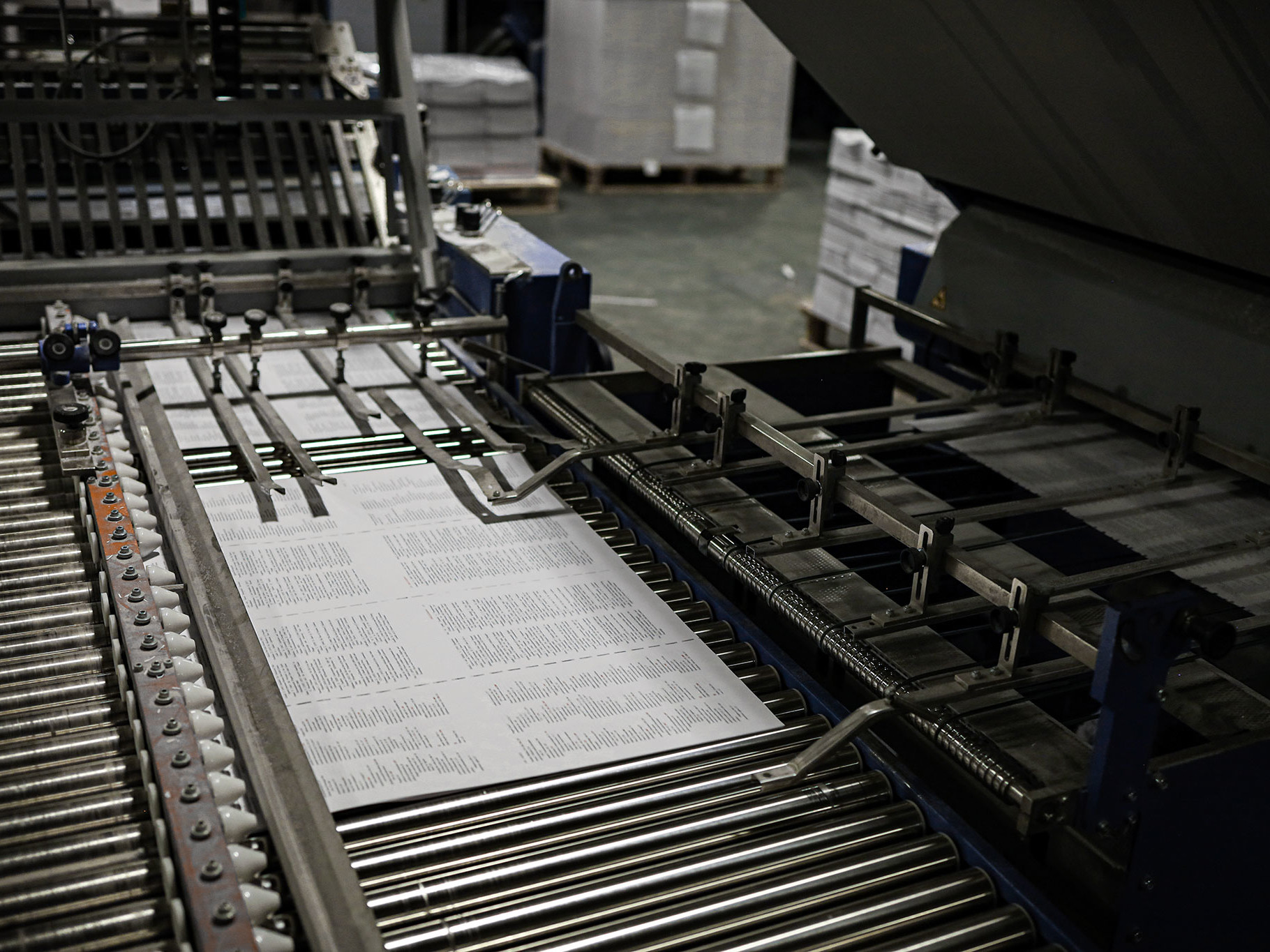
Recently, we have expanded into the trade market, producing high-quality cookery books, full-colour children’s books, and novels alongside major publishers such as DK, Penguin Random House, and Harper Collins.
Operating from our two Scottish production facilities, we serve over 600 clients, printing major publications for institutions including The Open University, Cambridge University Press, and Oxford University Press. We are masters of our craft, consistently delivering exceptional printing and binding services that make us the printer of choice for leading publishers, time and time again.
In 2019, Bell & Bain merged with fellow Glasgow-based printers J. Thomson Colour Printers, equipping us to meet the increasing demand for locally printed trade titles. Our ongoing aim is to build solid partnerships with our customers, ensuring expectations are exceeded and deadlines are met consistently.
.
Future Investment
At Bell & Bain, apprenticeships are at the heart of what we do. In fact, the majority of our current management team began their journey with us as apprentices.
We offer a diverse range of opportunities, such as:
- Prepress and Digital Print
- Lithographic Print
- Print Finishing
- Administration
- Engineering
Our 3-year scheme, provided by Print Scotland, allows staff to train in-house and earn a fully accredited qualification. Contact us today to learn more about our award-winning apprenticeship programme.
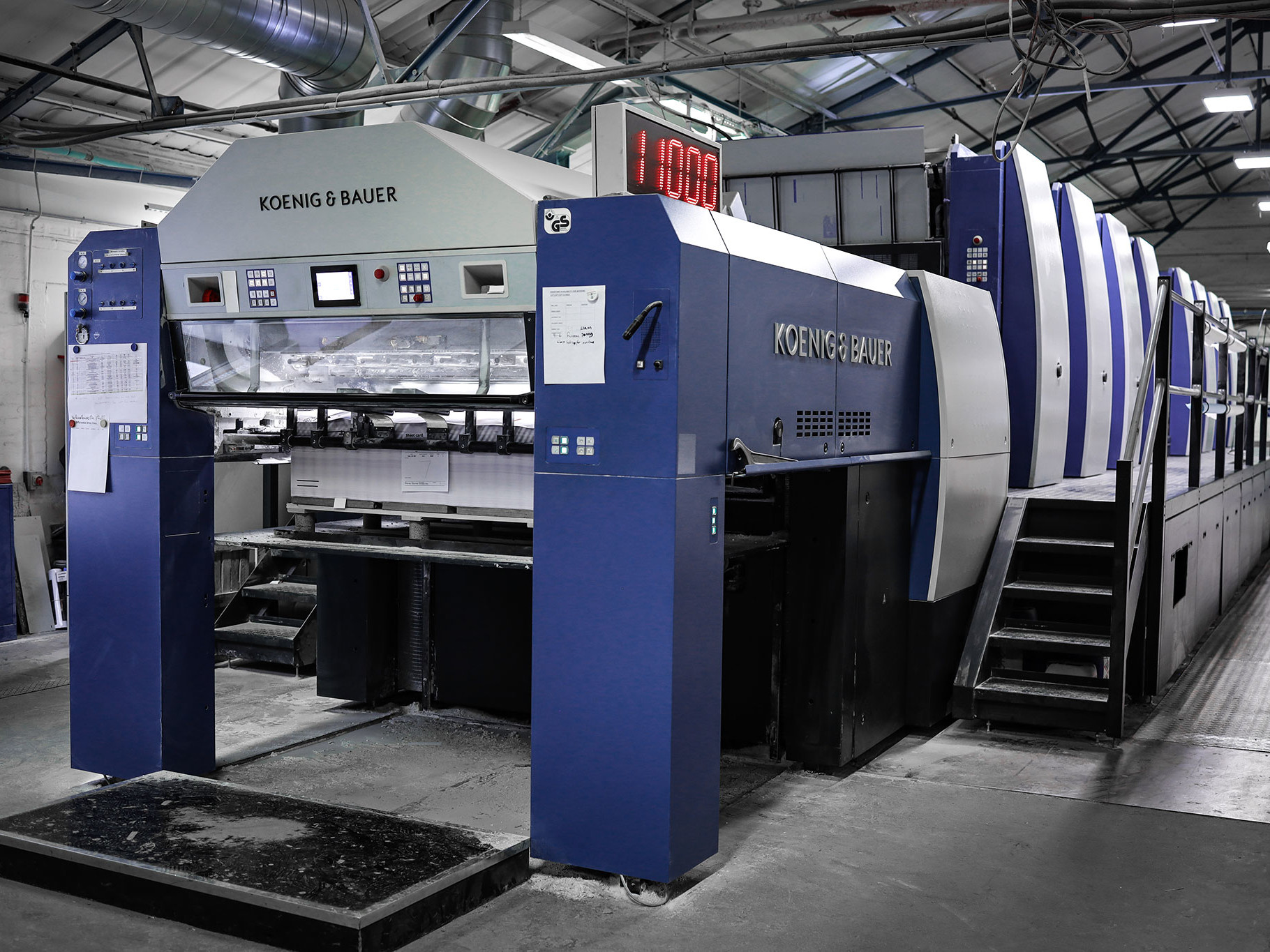
Recently we have invested in the latest large format full colour litho presses and digital technology. We are the only book and journal printer in the UK to have these types of presses. Allowing us to halve our print production time and increase our print capacity.